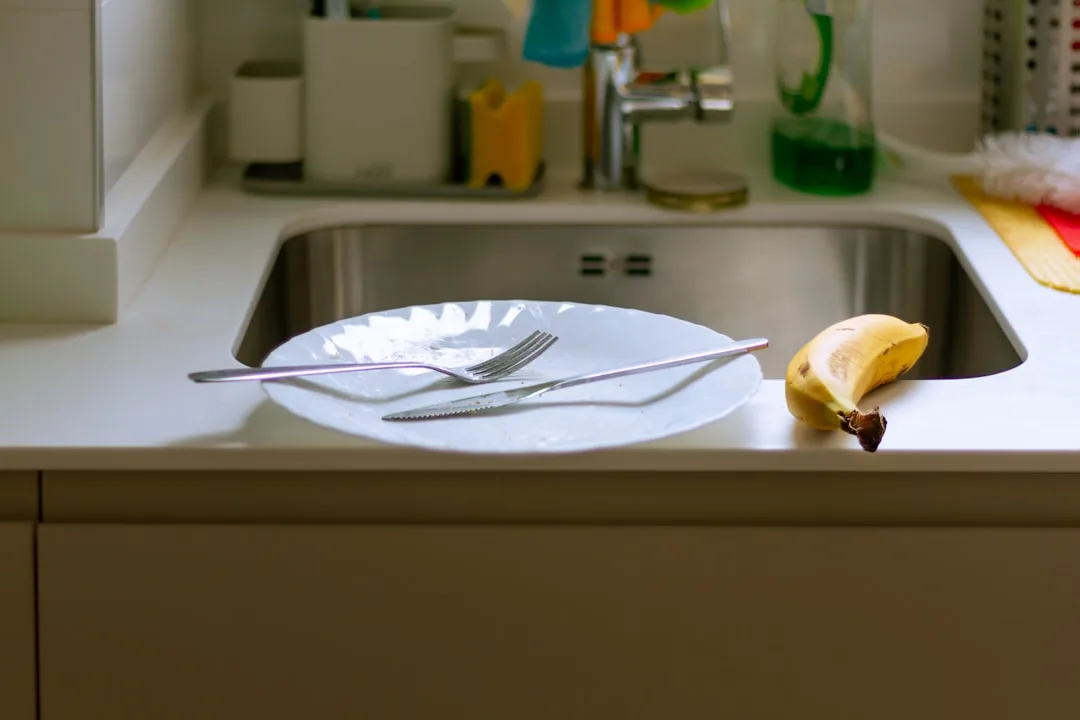
There's a moment most of us know well. You open the fridge, find a sad bag of wilting spinach you bought with the best of intentions, and quietly drop it in the bin. No big deal, right? Except we do it again next week. And the week after. And multiplied across millions of households, it adds up to one of the most quietly devastating environmental problems we have.
The Food We Buy and Never Eat
The UK throws away around 9.5 million tonnes of food every year — and most of it is perfectly edible. We're not talking about scraps and peelings. We're talking about unopened yoghurts, untouched loaves of bread, vegetables that never made it out of the bag. If food waste were a country, it would be the third largest emitter of greenhouse gases on the planet. And yet it barely gets talked about, because it happens quietly, privately, in kitchens across the country every single day.
The Packaging Paradox
Here's where it gets frustrating: a lot of our food comes wrapped in packaging designed to reduce waste — but the packaging itself becomes waste. Plastic trays, multi-layered pouches, those little absorbent pads under your chicken breast. Much of it isn't recyclable in standard household collections. So we're creating waste to prevent waste. The system is working against us, and it takes real effort to navigate it. That's not a personal failing — it's a design problem.
Small Habits, Real Impact
The good news? Food waste is one of the most actionable sustainability issues there is. You don't need to overhaul your life — you just need a few better habits. Shop with a list. Buy loose where you can. Learn to love your freezer. Cook from the back of the fridge before it's too late. These aren't revolutionary ideas, but they compound. A household that halves its food waste saves around £700 a year — and significantly shrinks its carbon footprint without buying a single offsetting product.
Circularity Starts in the Kitchen
The circular economy isn't just about trainers and tech — it applies to every room in the house, including the kitchen. Using what you have, wasting less, and making conscious choices about what you bring home are all part of the same mindset that drives Swapster. We might not be able to swap your leftover pasta — but the thinking is the same: keep things in use for as long as possible, and resist the pull of the throwaway default. It's a habit worth building, one fridge clear-out at a time.
