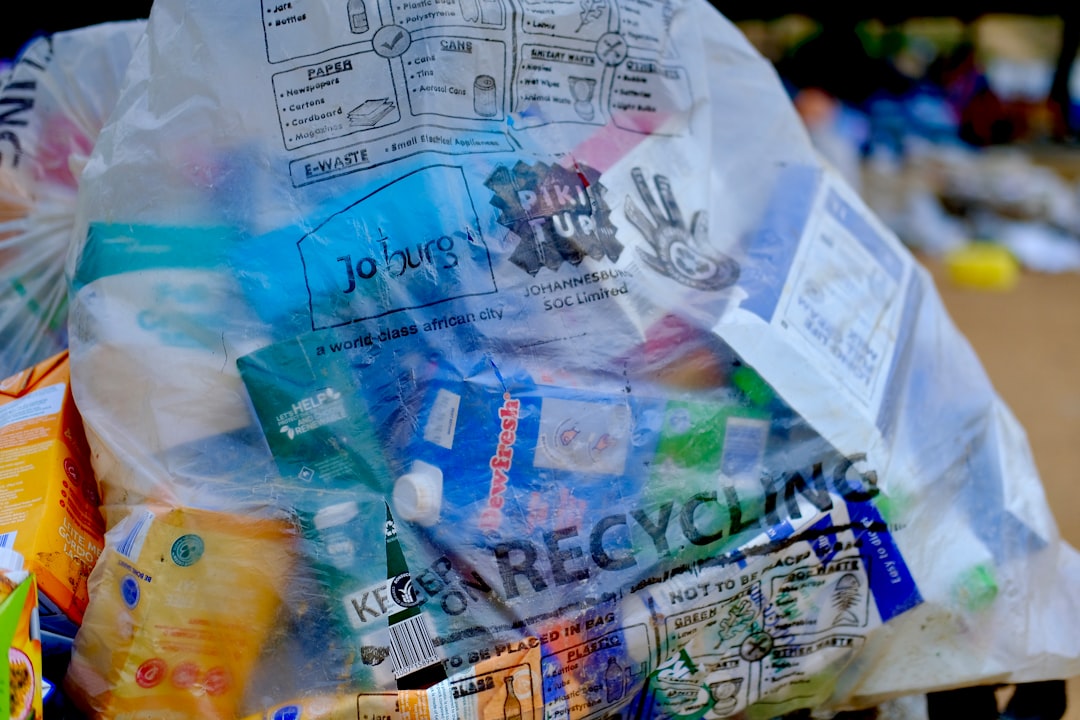
What is circular consumption?
Circular consumption means keeping items in use for as long as possible — passing them on, repairing them, or trading them — instead of throwing them away once you're done with them. It's the opposite of the "buy, use, bin" pattern that fills UK landfills with things that still had life left in them.
Swapster is built specifically for circular consumption. Every swap gives an item a second life with someone who actually wants it, and takes something off your hands that you'd otherwise have thrown out, donated without knowing where it ends up, or left gathering dust.
How swapping beats recycling for waste reduction
Recycling breaks an item down and remakes it into something else — a process that itself uses energy and resources, and often loses material quality along the way. Swapping skips that step entirely: the item stays exactly as useful as it was, just in a new home.
| Route | What happens to the item |
|---|---|
| Landfill | Lost entirely — full material and manufacturing value wasted |
| Recycling | Broken down and remade — resource-intensive, some material value lost |
| Swapping on Swapster | Reused as-is by someone who wants it — full value kept, no reprocessing needed |
A reuse community, not just a marketplace
Every member who lists an item and every member who swaps for one is part of the same reuse community — each swap is one fewer item bought new, and one fewer item thrown away. When a straightforward one-for-one trade isn't available, Swapster's chain swap matching links more members together so items keep moving instead of sitting unwanted.
Is Swapster eco-friendly?
Yes — sustainability is a core part of why Swapster exists. Every completed swap keeps two items in circulation instead of one going to waste and one being manufactured new, cutting the demand for new production and the waste that follows a single-use "buy and bin" cycle.
Give your things a second life
List what you're done with, find what you need, and keep it all in circulation.