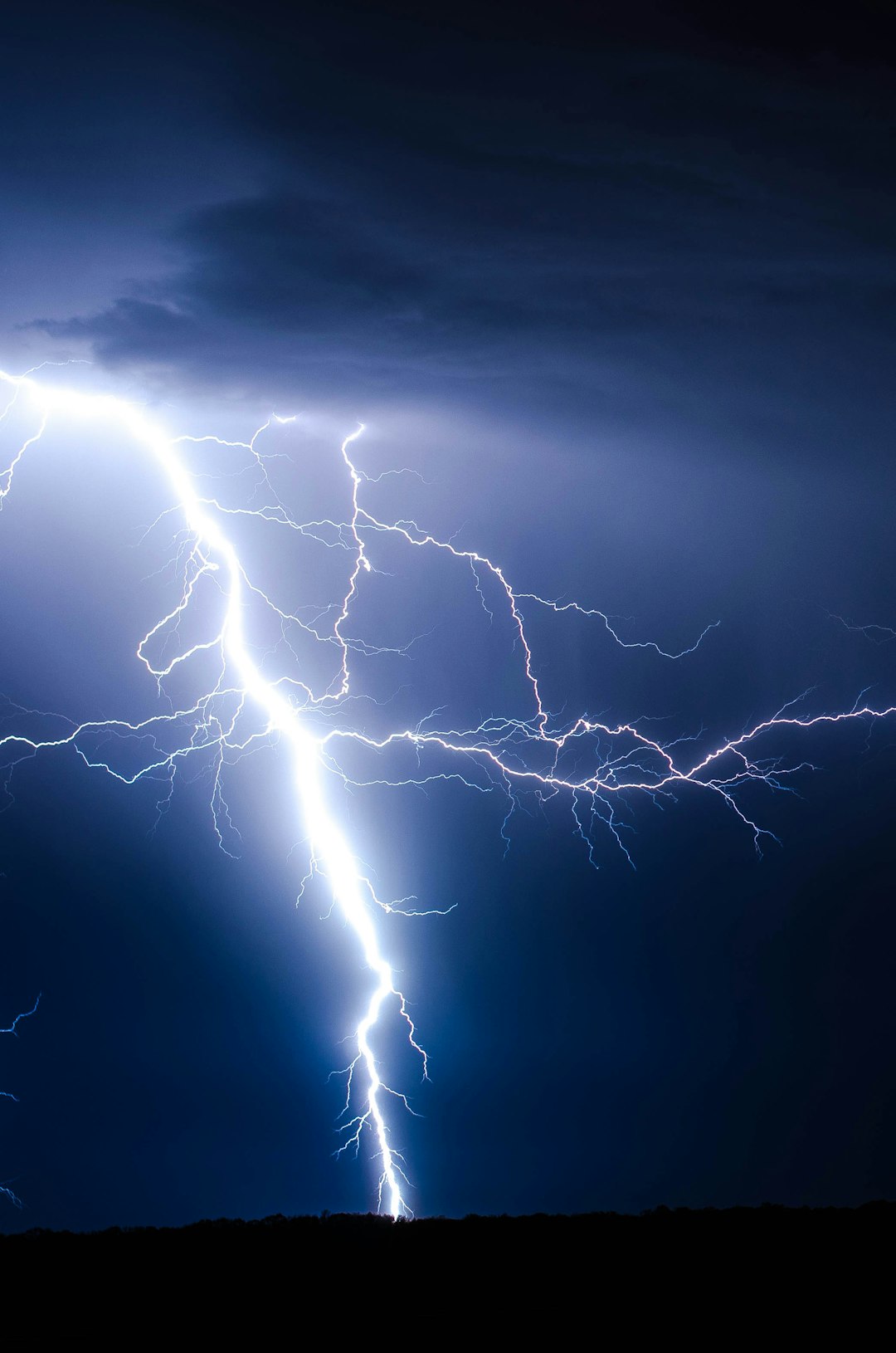
A very strong El Niño is building in the Pacific right now, and forecasters expect it to peak around the end of 2026 — bringing a real chance of heavier storms, deeper droughts, and record-breaking heat in the months ahead. It can feel like something that just happens to us: a distant weather pattern with a Spanish name, arriving on its own schedule. But the uncomfortable truth is that our waste habits — especially what we throw away rather than reuse — are quietly feeding the very warming that makes El Niño's swings more extreme. The hopeful truth is that fixing it doesn't require a moonshot. It starts with something as simple as swapping instead of binning.
A Very Strong El Niño Is Already Forming
According to the World Meteorological Organization, El Niño became firmly established in the Pacific by August 2026, with sea-surface temperatures warming fast in the central and eastern equatorial ocean. The WMO now puts the odds of a very strong event at over 90% for late 2026, with El Niño conditions expected to persist right through the Northern Hemisphere winter into early 2027. A "very strong" El Niño isn't just a bigger number on a chart — historically, these are the events tied to some of the most disruptive global weather years on record, from flooding in parts of South America to drought stress in Southeast Asia and Southern Africa.
El Niño Is Natural. Climate Change Is Turning Up the Dial
It's worth being precise here, because accuracy matters more than alarm: El Niño itself is a natural ocean-atmosphere cycle that's been happening for thousands of years, and no single event is "caused" by climate change. But the pattern layered on top of that cycle is not natural anymore. Research reviewed by the IPCC's Sixth Assessment Report, along with detection studies published in the years since, has found that a warmer planet is measurably shifting how El Niño behaves — loading the dice toward more frequent extreme events. Warmer oceans simply hold more heat energy to fuel a given El Niño, which is part of why some scientists project the frequency of extreme events could roughly double as global temperatures keep climbing. Climate change doesn't create El Niño. It amplifies it.
The Overlooked Fuel: What We Throw Away
So where does warming actually come from? A huge, under-discussed share of it comes straight out of our bins. In the United States alone, municipal solid waste landfills are the third-largest human-caused source of methane emissions, responsible for roughly 14% of the total, according to the EPA. Globally, the picture is similar: as organic waste breaks down without oxygen in a landfill, it releases methane — a gas that traps around 80 times more heat than CO₂ over its first 20 years in the atmosphere, per the Global Methane Pledge's assessment.
Food is one of the biggest culprits. The UN Environment Programme's 2024 Food Waste Index found that the world wasted 1.05 billion tonnes of food in 2022 — almost a fifth of everything made available to eat — and that food loss and waste alone generates 8–10% of all global greenhouse gas emissions. That's nearly five times the entire aviation industry, from something that never even got used.
Then there's everything we replace before it's worn out. The fashion industry alone is estimated by the Ellen MacArthur Foundation to send the equivalent of one garbage truck of clothing to landfill or incineration every single second. Every one of those items carried a manufacturing footprint — raw materials, water, energy, transport — that gets wasted twice over: once when it's made, and again when it's binned instead of reused.
Why Swapping Actually Moves the Needle
Here's the hopeful part. The Ellen MacArthur Foundation estimates that shifting toward a circular economy — keeping products and materials in use instead of manufacturing new ones — could cut global greenhouse gas emissions by around 48% by 2050 compared with business as usual. That's because roughly 45% of global emissions come from how we make, use, and discard the things around us: our clothes, our electronics, our furniture, our stuff.
Every swap on Swapster does two things at once. It keeps a usable item out of landfill, where it would otherwise decompose and release methane or simply sit there for decades. And it removes the need to manufacture a brand-new replacement, which is where most of an item's carbon and water footprint actually sits. Swap a jacket instead of buying one, and you've avoided both ends of the problem in a single trade. Swap an old phone or laptop instead of upgrading, and you've kept genuinely scarce materials in circulation for longer. None of this stops this year's El Niño — that ship has already sailed for 2026–27. But every tonne of emissions we don't create is a tonne that isn't loading the dice for the next one, or the one after that.
Small Swaps, Real Leverage
Nobody is asking you to single-handedly cool the Pacific Ocean. What we're asking is smaller and much more doable: next time something in your house feels done with, pause before it goes in a bag for the tip. Someone nearby probably wants exactly that thing, and you probably want something they're done with too. That's the whole idea behind Swapster — a direct trade, no listing fees, no waiting around for a buyer, just two people extending the life of something useful instead of manufacturing its replacement. List your first item and see what's out there. Multiplied across a community, small swaps add up to the kind of leverage that genuinely bends a curve — the same one climate scientists are watching every time they issue an El Niño update.
FAQ
No — El Niño is a natural ocean-atmosphere cycle that has occurred for thousands of years. Climate change doesn't cause individual El Niño events, but research reviewed by the IPCC shows a warmer planet is making extreme El Niño events more frequent and intense.
In the US, municipal solid waste landfills are the third-largest human-caused source of methane emissions, at roughly 14% of the total, according to the EPA. Methane traps around 80 times more heat than CO₂ over its first 20 years in the atmosphere.
The UN Environment Programme's 2024 Food Waste Index found that food loss and waste generates 8–10% of global greenhouse gas emissions — almost five times the emissions of the entire aviation industry.
Yes. The Ellen MacArthur Foundation estimates a circular economy that keeps products in use rather than manufacturing new ones could cut global greenhouse gas emissions by around 48% by 2050, since roughly 45% of emissions come from how we make and use the things around us.
Sources & Further Reading
- World Meteorological Organization – El Niño set to become very strong (2026)
- NOAA Climate.gov – Has climate change already affected ENSO?
- US EPA – Basic Information about Landfill Gas
- Global Methane Pledge – The Imperative for Methane Action
- UNEP – Food Waste Index Report 2024
- Ellen MacArthur Foundation – Circular Economy & Climate Change
